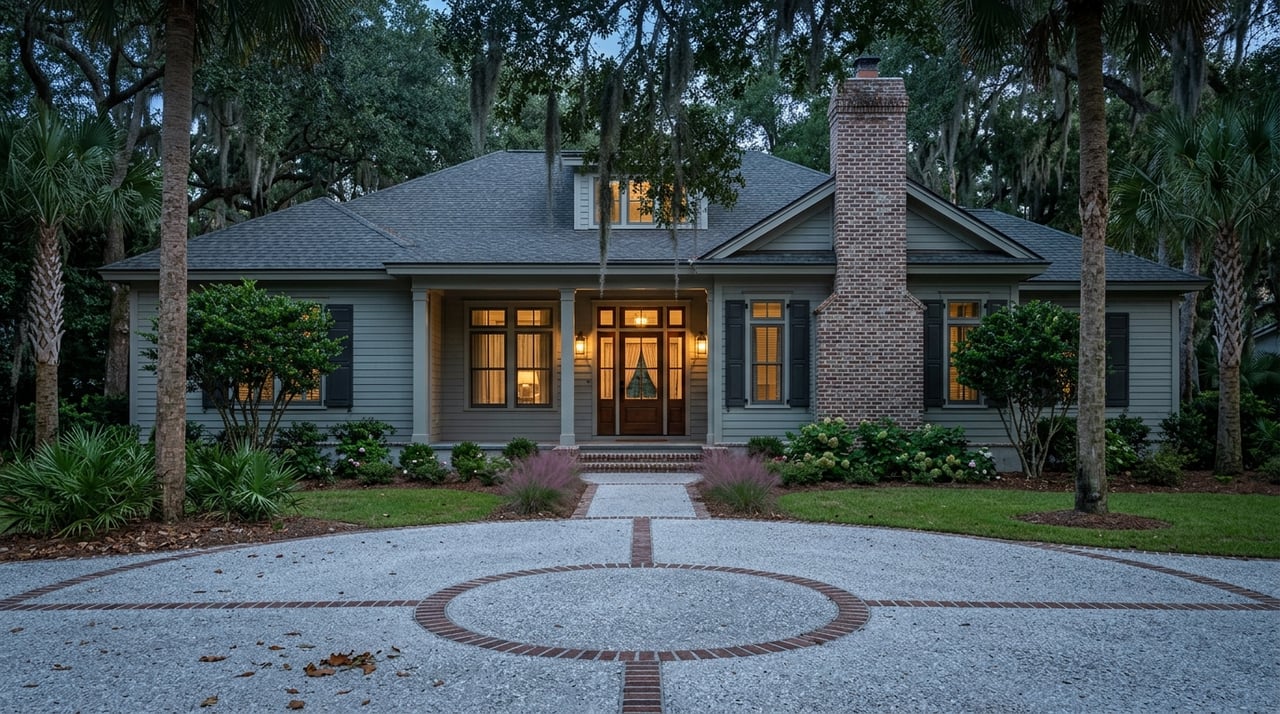
Planning A New Construction Build In Frederica Golf Club
June 11, 2026
June 11, 2026
Thinking about building new in Frederica Golf Club? It is an exciting opportunity, but it also comes with more moving parts than many buyers expect. In a coastal community where homesites, tree canopy, flood considerations, and design style all shape the process, a smart plan can save you time and stress. This guide will walk you through what makes a Frederica build different, what to line up early, and how to plan for a smoother path from homesite to move-in. Let’s dive in.
Frederica Golf Club is not a typical build environment. The community spans roughly 1,700 acres on St. Simons Island and is organized around distinct homesite settings such as golf, lakefront, riverfront, marshfront, and Rookery locations.
That matters because your lot is not just where your house will sit. It shapes your views, how your home fits into the landscape, and what design or permitting questions may come up before construction begins.
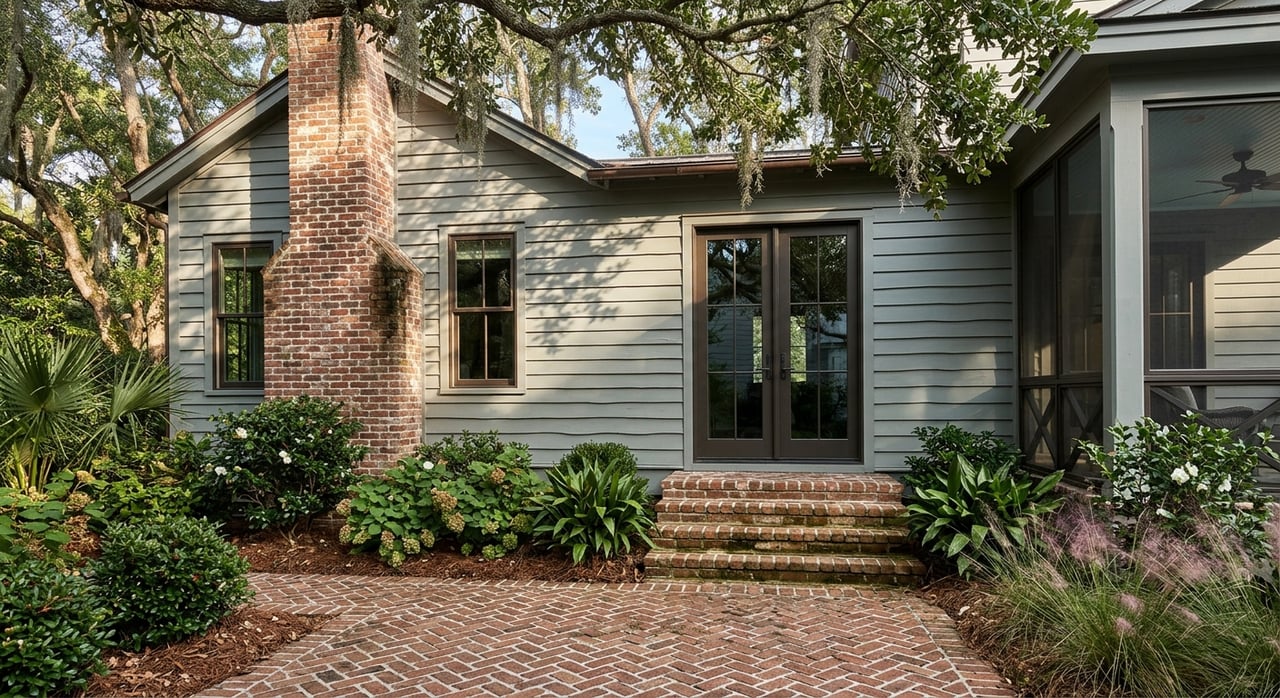
Frederica’s planning approach also puts the natural setting front and center. Official community materials emphasize working with the maritime forest instead of clearing it away, so orientation, canopy, and view corridors should be treated as early design decisions, not last-minute details.
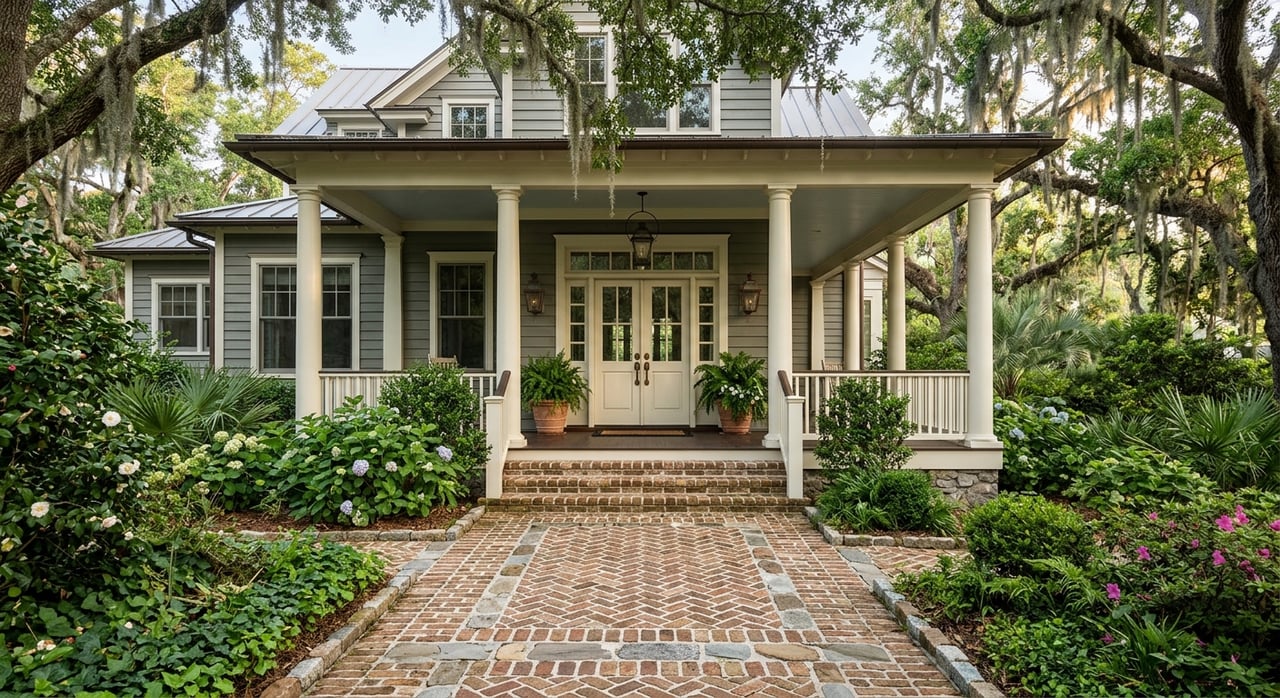
Architecturally, Frederica leans toward coastal vernacular styles. Community references include tabby, Spanish-influenced forms, Southern Vernacular, Mizner, and Lowcountry design, which gives buyers a more place-specific framework than a standard suburban build.
In Frederica, homesite selection can change the entire build process. Some lots are marketed with helpful due-diligence materials already in place, such as tree and topographic surveys, soil studies, or partially completed plans.
When those pieces already exist, your design team may be able to move faster in the early planning phase. On other lots, the work may need to start from scratch, which can lengthen design, budgeting, and permit preparation.
If you are considering a waterfront parcel, your decision may involve more than the home itself. Some lots include rights tied to a future dock, lift, or boathouse, so you will want to know early whether those features are part of your long-term plan.
A successful Frederica build usually starts with the right team, not just the right floor plan. Based on official homeowner profiles and local lot marketing, buyers often benefit from coordinating a local agent, licensed builder, architect, surveyor or civil engineer, and interior designer early in the process.
That coordination matters because design choices affect budget, site work, timing, and permitting. A concept that looks simple on paper may become more complex once topography, tree cover, flood risk, or shoreline jurisdiction are factored in.
For many buyers, especially relocation and second-home clients, this is where local guidance becomes especially valuable. If you are not on St. Simons Island every week, you want a team that can help you anticipate issues before they become delays.
Georgia Consumer Ed recommends verifying that your contractor is licensed and insured before signing a contract. It also advises putting key terms in writing, including:
Those items are important in any market, but they are especially helpful when you are managing a custom build from out of town.
One of the biggest surprises in a coastal custom build is how many approvals can affect timing before construction starts. In Glynn County, new construction and site work require permits before work begins.
The county processes applications through its OpenGov portal and reviews them for compliance with county and state requirements. Some applications may also require public hearings, and when a matter goes before a meeting, completed submittals must be in at least six weeks ahead of the scheduled date.
That means your pre-construction timeline may stretch well beyond your design timeline. Even after plans feel ready, review, resubmittals, and additional approvals can still add time before excavation is allowed.
Depending on the homesite and project scope, your build may involve:
If your project touches marsh or shore areas, the Georgia Department of Natural Resources Coastal Resources Division may require a jurisdictional determination. That step is used to determine whether a project falls under coastal regulatory authority, and DNR notes that these determinations are typically valid for one year.
Floodplain issues deserve early attention in Glynn County. The county states that all development in the floodplain requires a permit, not just new buildings.
If the home is located in the floodplain, an elevation certificate is needed to obtain a building permit. The county also notes that standard homeowners insurance does not cover flooding and that National Flood Insurance Program coverage has a 30-day waiting period.
For waterfront and marsh-oriented homesites, coastal review can add another layer. If your plans include shoreline work, a dock, a boathouse, or work near regulated marsh or shore areas, you should ask about that upfront while the project scope is still being defined.
Once construction starts, the process becomes more familiar, but there are still important checkpoints to plan around. Glynn County notes common inspection stages that include footing, slab, rough-in, permanent power, and final inspection.
The county issues a Certificate of Occupancy only after all required inspections and paperwork are complete. That means move-in timing depends on more than the main structure being finished.
For the final inspection, Glynn County says the building, plumbing, electrical, HVAC, driveway and culvert pipe, house number, landscaping, and soil-erosion measures must be finished. If any of those pieces lag, occupancy can lag with them.
It helps to think of a Frederica build as two separate phases: pre-construction and construction. Pre-construction includes homesite selection, review of surveys and soils, team assembly, concept design, budget alignment, and permit preparation.
If the lot already includes survey work, soil testing, or a partial plan, that phase may move more quickly. If not, it can take longer to gather the information your architect, builder, and engineer need to proceed with confidence.
After that comes permit review, and this is where many timelines expand. County review, revisions, flood-related review, land-disturbance approvals, right-of-way considerations, and possible coastal jurisdiction questions can add weeks or months before site work starts.
As a practical planning benchmark, many buyers should view a Frederica custom build as roughly a 12-to-18-plus-month project from serious homesite commitment to move-in. That is not a fixed county standard, but it is a realistic way to think about a luxury coastal build with layered approvals and custom design decisions.
The easiest way to reduce stress is to plan around milestones instead of guessing at one final move-in date. These are the key stages most buyers should expect.
At this point, you are confirming orientation, canopy, topography, soils, flood risk, and whether survey or plan materials already exist. This is the stage where the lot itself starts defining the project.
Next, you line up your agent, architect, builder, and any needed engineering or design support. Projects tend to move more smoothly when the professionals involved are working from the same site information and timeline expectations.
Before permit submission, your design concept and construction budget should be aligned as closely as possible. This helps reduce revisions later, when changes are often more expensive and more time-consuming.
This can include building review and, depending on the lot, land-disturbance, floodplain, right-of-way, or coastal review. It is wise to assume this phase may involve follow-up questions or resubmittals.
Once permits are in hand, construction moves through site work, footing, slab, rough-in, power, and final inspection. Final occupancy comes only after all required inspection items and paperwork are complete.
If you want a smoother Frederica build, the goal is not to rush. The goal is to make informed decisions in the right order.
Start with the parcel, not just the floor plan. Then build your team early, verify who is responsible for each due-diligence item, and ask direct questions about permitting before design details get too far ahead of site realities.
For second-home and relocation buyers, it is also helpful to set expectations around communication and documentation from the beginning. A clear contract, a realistic timeline, and an organized team can make a complex project feel much more manageable.
Planning a new construction build in Frederica Golf Club should feel exciting, not overwhelming. With the right homesite guidance and a clear understanding of local review, you can make confident decisions at every stage. If you are considering a homesite or want parcel-level insight before you commit, connect with Angela Harrison Team | Frederica Realty to explore Frederica homes and homesites and find your place on the Golden Isles.
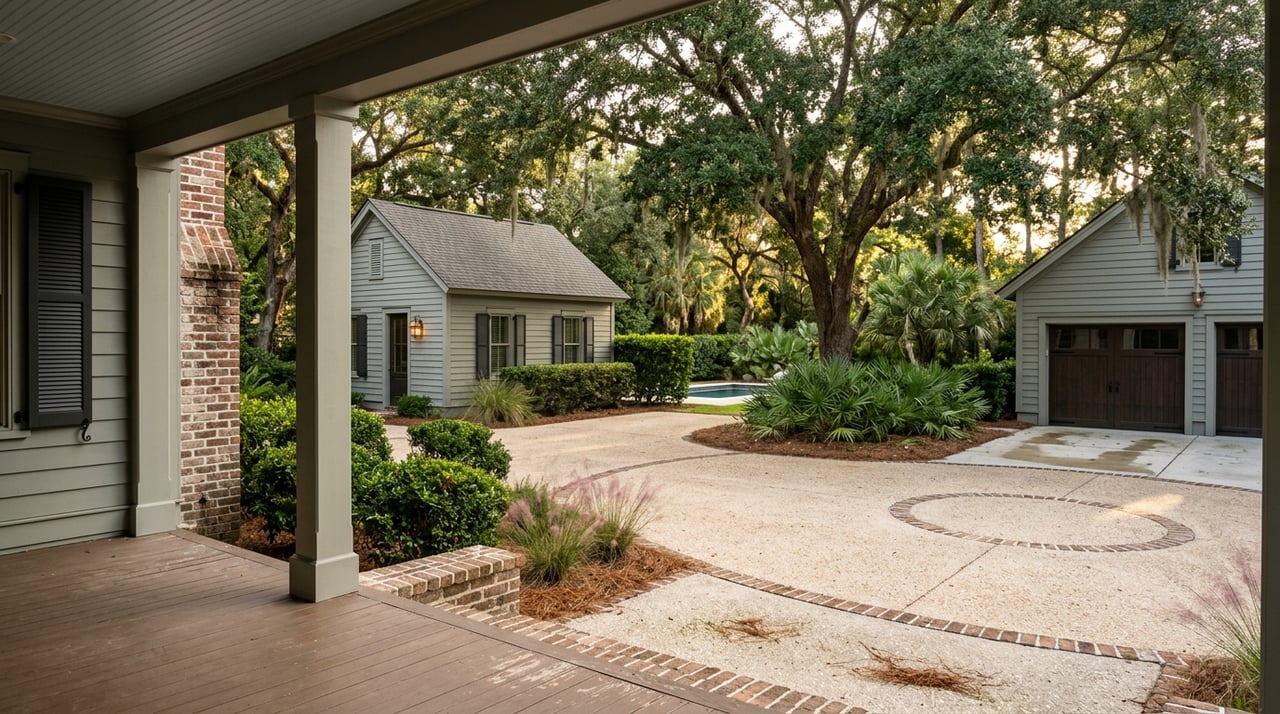
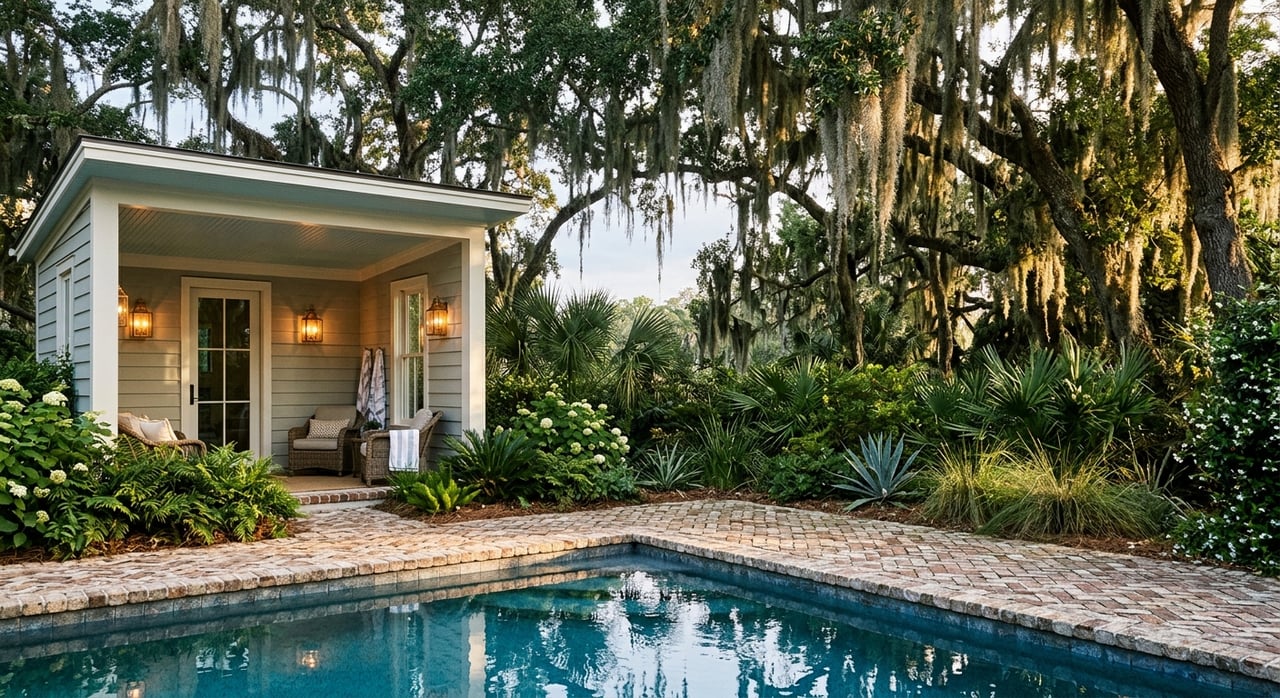
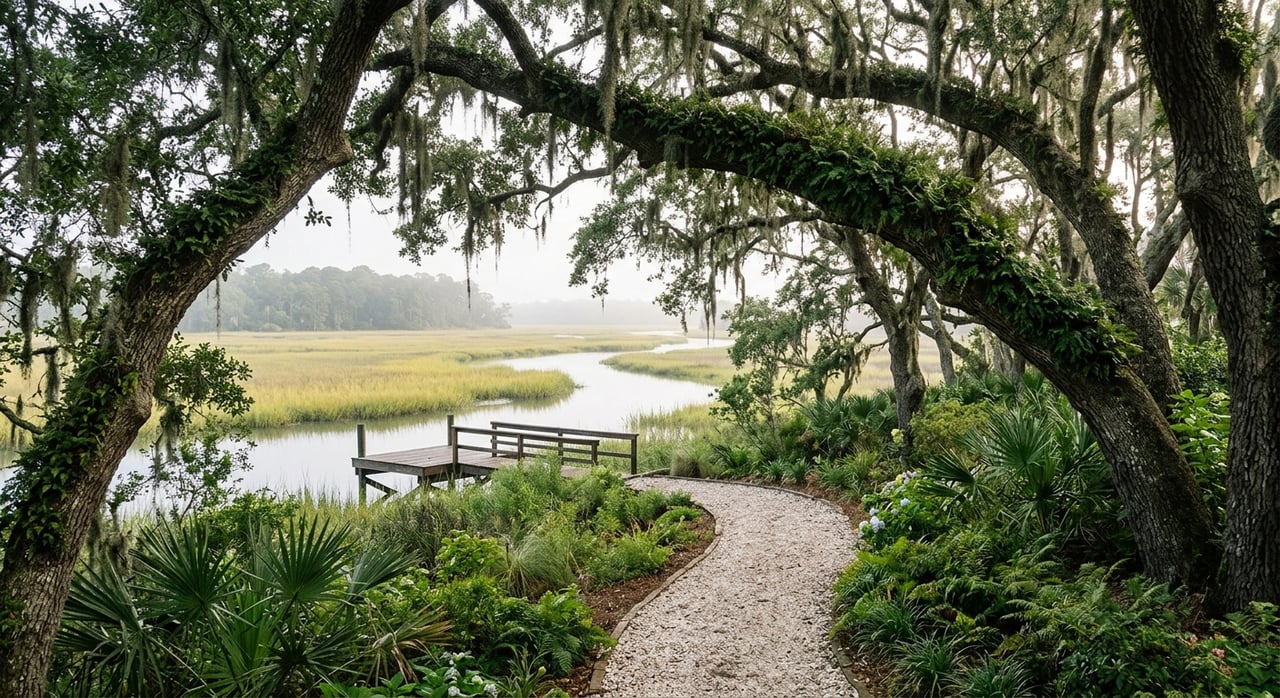
We invite you to explore the St. Simons and Sea Island Communities. Here, this island destination creates a lifestyle, where every luxury is designed to incorporate the area's breathtakingly beautiful natural surroundings and emerge organically from the natural landscape.