Leave a Message

Thank you for your message. We will be in touch with you shortly.

How Lot Orientation Impacts Value in Frederica Estates

January 1, 2026

Which view will your Frederica legacy home wake up to: glassy lake water, a living tunnel of oaks, or a sky lit by sunsets? Choosing a homesite here is about more than a pretty vista. Orientation shapes your privacy, buildable footprint, construction costs, maintenance, and long-term resale. In this guide, you’ll learn how lake, canopy, and west-facing exposures perform in Frederica Estates, what to verify before you buy, and a simple framework to balance views with your program needs. Let’s dive in.

What orientation means in Frederica

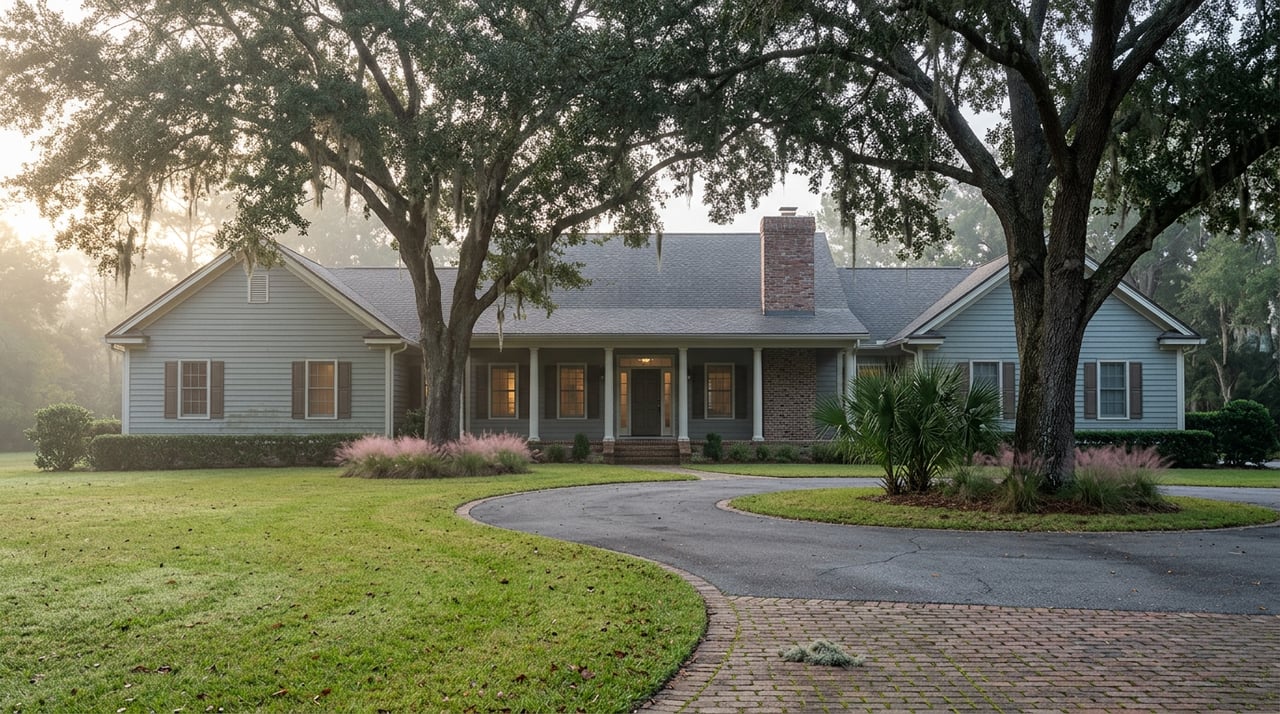
Frederica Golf Club sits within a coastal landscape of golf fairways, freshwater lakes and ponds, salt marsh edges, and maritime forest. Lots can front the course, face water, tuck into the live oak canopy, or open west toward sunsets. The right orientation for you depends on your lifestyle priorities and risk tolerance. Before you fall in love with a view, confirm the lot’s exact boundaries, setbacks, and any buffers or easements with the HOA and Glynn County. Orientation advantages only hold if the build envelope supports your plan.

Lake lots: value and tradeoffs

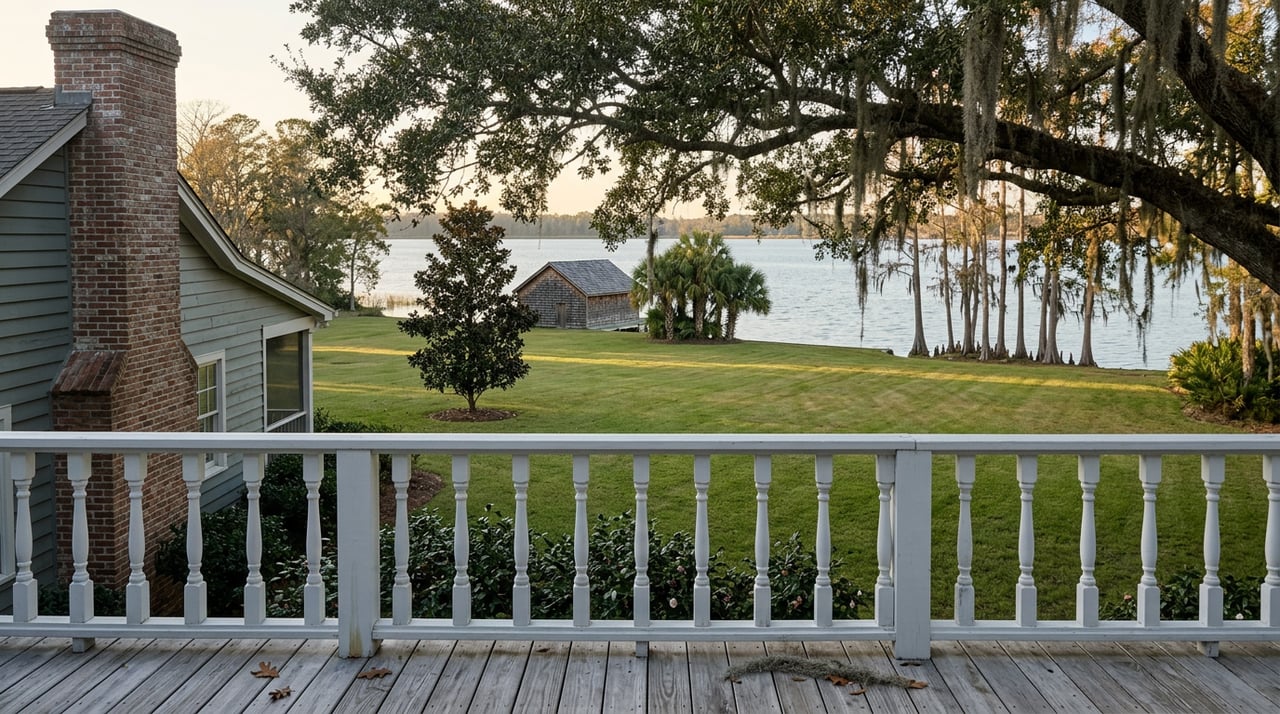
Lake and pond views are widely marketable amenities. Appraisers treat view as a real market attribute, and in many coastal golf communities, clear water views support strong demand and often faster resale. The premium varies by the quality of the view and local buyer preferences.

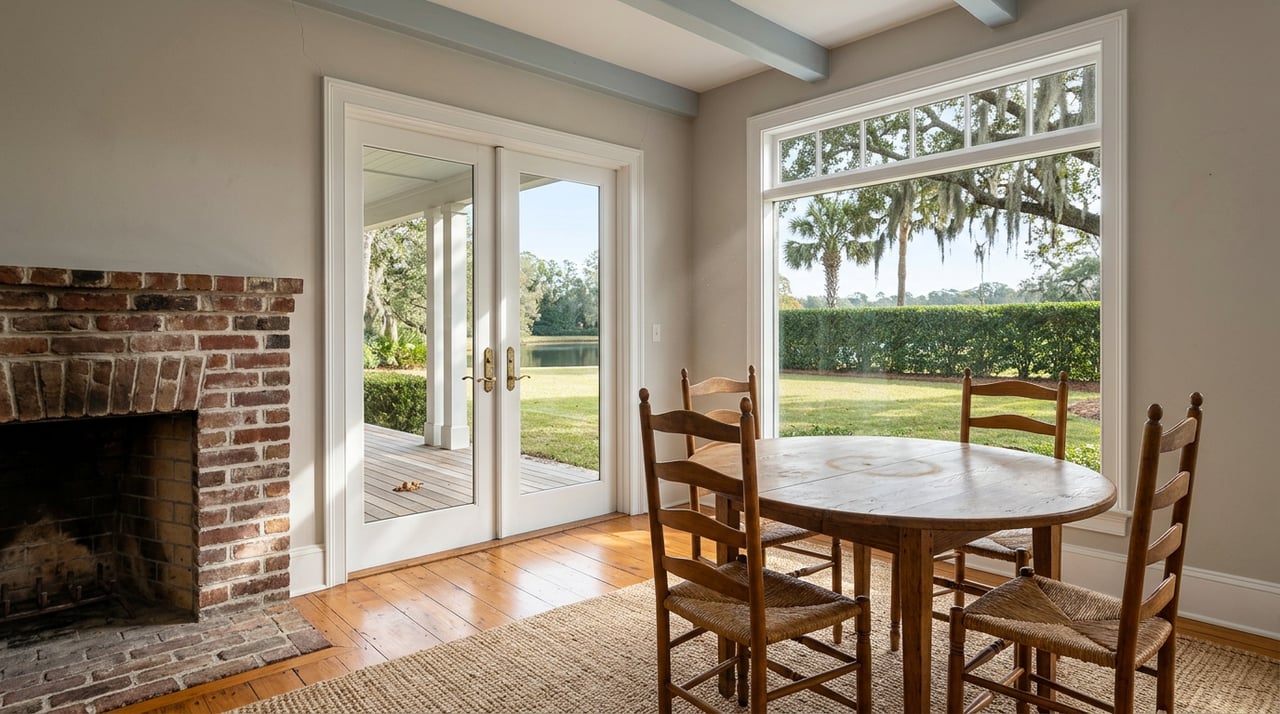
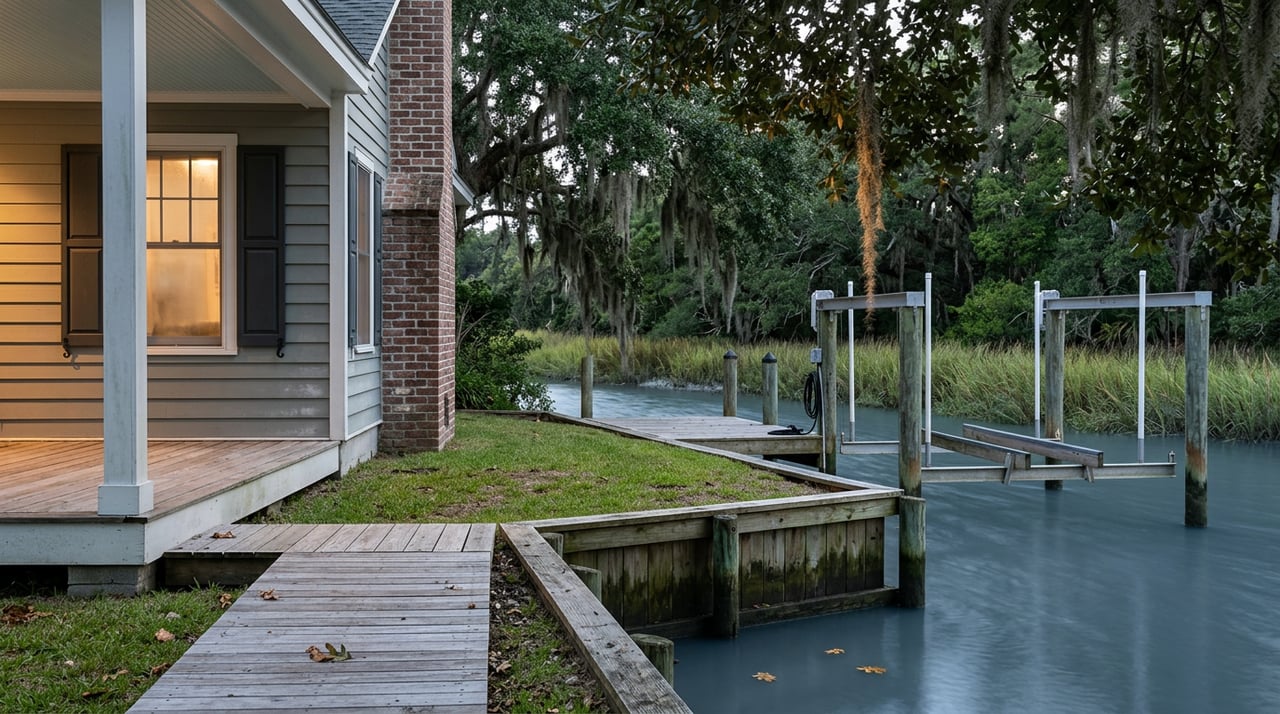
With water in front, your outdoor living space enjoys openness and a sense of calm. At the same time, amenity paths or golf activity can increase passive observation. Plan for sightlines and use landscape screening so your porch and pool feel private.

Lake edges can compress a build envelope. Shore buffers, wetlands, or riparian setbacks may limit where you can place structures, hardscape, or septic. If the lot is in a Special Flood Hazard Area, you may need to raise finished floors, use pier or elevated slab foundations, and elevate utilities. Confirm the lot’s status using the official FEMA Flood Map Service Center.

Finally, plan for coastal realities. Storms, nuisance flooding, and shoreline erosion can impact maintenance and insurance over time. Reviewing long-term coastal risk through the NOAA Sea Level Rise Viewer helps you factor resilience into your decision.

Canopy lots: value and tradeoffs

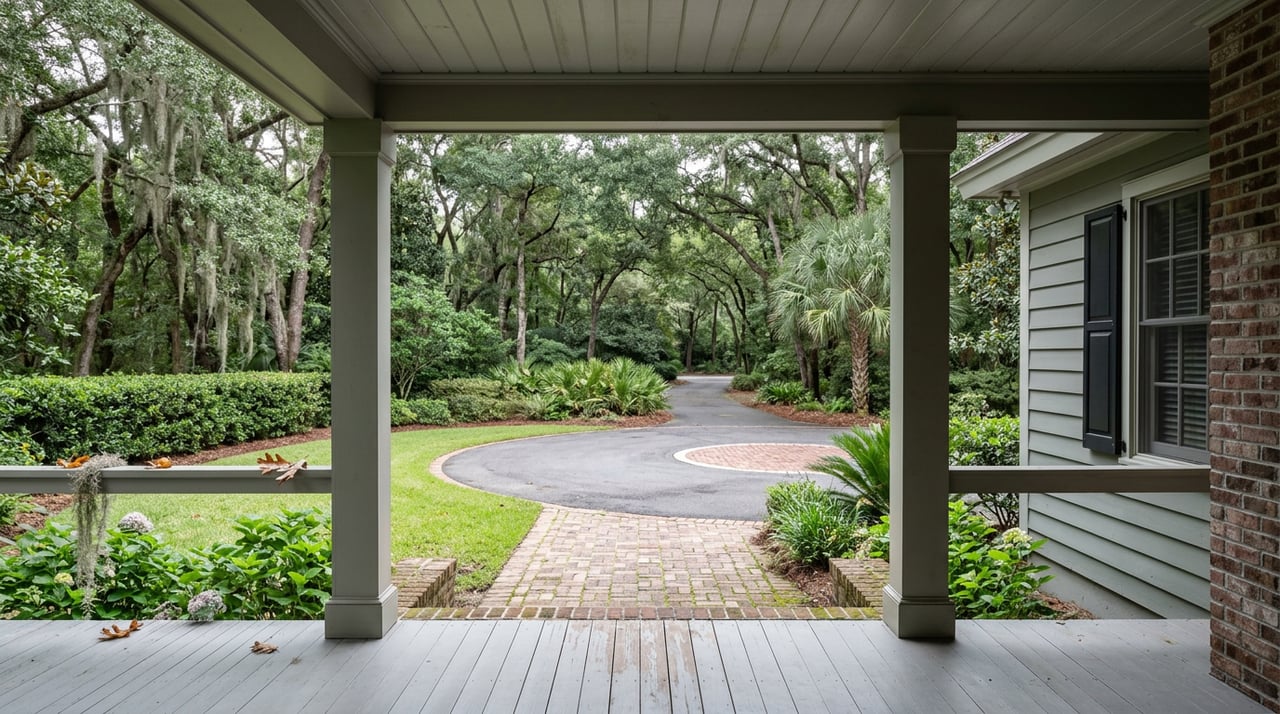
Live oak canopy offers immediate privacy, shade, and a sense of place that many buyers consider priceless. The maritime forest buffers sound, cools the microclimate, and creates a quiet, protected setting for a courtyard home or private garden rooms.

The tradeoff is view length and flexibility. Dense canopy can limit framed water or horizon views and may influence your house footprint, driveway, and utility routing. In many communities, CC&Rs and tree protection guidelines restrict removal of mature oaks or require mitigation. An arborist-led plan can open a selective view corridor while preserving tree health.

If preserving major trees is a priority, you may consider pier foundations or root-sensitive utility routing to keep large oaks thriving. Budget for periodic pruning and storm-readiness to protect both safety and long-term value.

Sunset exposure: comfort and resale

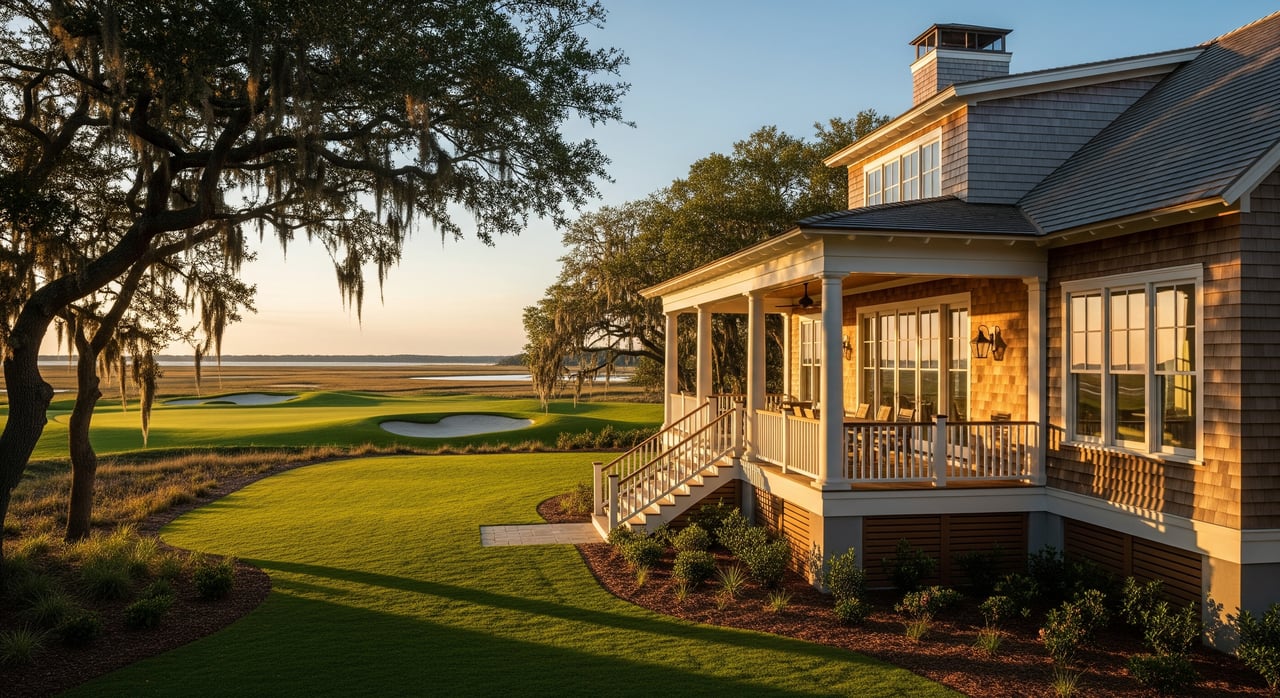
Western exposure invites memorable evenings and entertaining. It is emotional and marketable because it ties daily life to light and sky. In coastal Georgia’s warm climate, unmanaged west sun can increase cooling loads and cause glare in late afternoon.

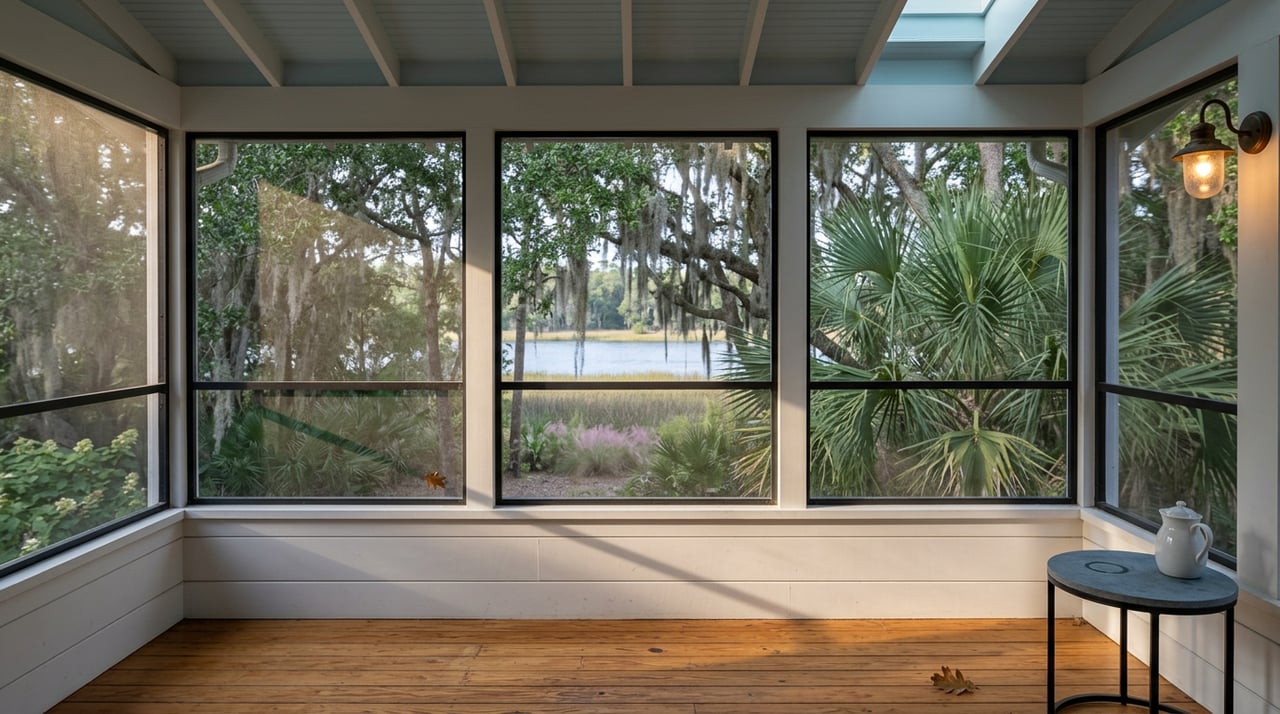
You can have the view and comfort. Strategies like deep porches, well-sized overhangs, recessed glazing, and high-performance low-e glass help control heat while keeping the sunset. The Department of Energy’s guidance on passive solar home design explains how shading and glazing choices improve comfort and efficiency.

Rules that change the equation

Before you assign value to any orientation, map the rules that set your non-negotiables:

  • County zoning and setbacks. Confirm allowable height, lot coverage, and setbacks through Glynn County Planning & Zoning.
  • HOA and Architectural Review Board. Frederica’s CC&Rs may govern siting, roof forms, exterior materials, docks, fencing, and tree removal or pruning. Request the current guidelines and review timelines.
  • Flood zones and base flood elevations. Determine build elevation, foundation type, and potential insurance requirements via the FEMA Flood Map Service Center.
  • Wetlands and buffers. If your lot touches jurisdictional waters or marsh, expect permitting or buffer rules. Start with the U.S. Army Corps Regulatory Program and the Georgia Department of Natural Resources’ Coastal Resources Division.
  • Long-term coastal risk. For a legacy hold, assess sea-level rise and inundation scenarios using the NOAA Sea Level Rise Viewer.

These constraints directly affect the effective buildable area, structural costs, and orientation options.

Pre-purchase checklist for Frederica lots

Use this checklist before you finalize a homesite:

  • Documents and mapping

    • Current recorded plat and legal description.
    • Boundary and topographic survey with spot elevations and significant trees.
    • FEMA flood map determination and any existing Elevation Certificate.
    • Soil or geotechnical report for foundation and septic suitability, if applicable.
    • Wetland delineation if adjacent to marsh or a pond.
    • HOA CC&Rs and Architectural Review guidelines.
    • Utility availability, easements, drainage locations, and septic or sewer details.
  • Site-specific experts

    • Certified arborist to assess canopy health and plan view corridors.
    • Civil engineer for grading, drainage, and finished floor elevation strategy.
    • Coastal or shoreline consultant if erosion or marsh edges are present.
    • Architect or site planner for solar, view, and privacy analyses.
    • Surveyor to confirm boundaries and recorded easements.
  • On-lot observations

    • Walk at different times of day, especially at sunset, to test glare, privacy, and noise.
    • Mark likely locations for driveway, septic, drainage, and construction staging.
    • Note potential future view obstructions from neighbor build lines or tree growth.

A simple decision framework

Use this five-step process to weigh view corridors against program needs when planning a legacy compound:

Step 1: Define priorities

Rank what matters most for you:

  • Durability and resale appeal over decades.
  • Privacy and protected outdoor living.
  • Iconic views such as water or sunsets.
  • Build cost tolerance for elevation, tree protection, or specialized glazing.
  • Risk tolerance for flood, storm, and maintenance exposure.

Step 2: Map hard constraints

Identify setbacks, easements, wetlands, flood elevations, and HOA rules that shape the absolute footprint and orientation. This avoids chasing a view that the site cannot realistically deliver.

Step 3: Quantify costs to achieve the vision

Estimate the premium to realize your preferred orientation, such as:

  • Elevating finished floors above base flood elevation.
  • Pier foundations versus slab.
  • Root-sensitive utility routes to preserve major oaks.
  • Arborist-guided view corridor pruning or mitigation for tree removal.
  • High-performance glazing, shading, and porch depth to manage west sun.

Get preliminary estimates from local builders and engineers during feasibility so you can compare scenarios apples-to-apples.

Step 4: Create scenario plans

  • Scenario A: Maximize view. Orient the great room and main porch to water or west sunsets. Accept a tighter rear yard and potential structural or glazing costs.
  • Scenario B: Maximize privacy and canopy. Organize a courtyard plan that preserves signature trees and uses filtered views. Invest in landscape features to frame select sightlines.
  • Scenario C: Balanced legacy compound. Blend a screened water view with a protected courtyard. Use outbuildings to buffer neighbors and create a private outdoor sequence.

Step 5: Test marketability

Discuss your scenarios with a local agent and, if needed, an appraiser. Some Frederica buyers pay a premium for open water views. Others specifically seek seclusion and canopy. Align your plan with the buyer profile you would want to attract in the future.

Design moves that pay off

Make your chosen orientation work harder for you:

  • Protect a view without sacrificing canopy. Use selective thinning and an arborist-planned view corridor. Modest elevation changes or a slightly raised porch can improve sightlines with minimal tree impact.
  • Tame western heat and glare. Combine overhangs, deep porches, operable shading, and low-e glass. The DOE’s passive solar design guidance outlines strategies that preserve views while improving comfort.
  • Add privacy to water-oriented lots. Shape outdoor rooms with native shrubs, low berms, and careful placement of the driveway and service zones on the non-view side.
  • Build coastal resilience. Elevate mechanicals and utilities above expected flood elevations. Choose flood-resistant materials below required heights, and plan drainage and plantings that can weather salt and storms.

Market and resale realities

  • Scarcity and preference matter. Both unobstructed water views and mature oak canopy are desirable in Frederica. The relative premium depends on buyers active in the market when you sell.
  • Cost to achieve the amenity adds up. Your orientation investment includes site prep, foundations, glazing and shading strategies, tree mitigation, and possibly higher insurance.
  • Time horizon counts. Orientation benefits compound for long-term owners. Shorter holds may emphasize upfront construction costs more than legacy factors.
  • Risk is part of the equation. Coastal exposure, flood zones, and wind events influence maintenance and insurance. Balance lifestyle rewards with resilience and carrying costs.

Your next step in Frederica

Choosing between lake, canopy, or sunset exposure is about aligning your lifestyle with a site that will age well. Start by confirming constraints, clarifying your priorities, and testing two or three build scenarios with the right experts. When you are ready to walk lots, compare options, or pressure-test a concept plan, connect with the neighborhood team that lives this every day.

If you want a clear, concierge path to the right Frederica homesite, reach out to the Angela Harrison Team | Frederica Realty. We will help you weigh orientation, verify constraints, and set up the expert team to design a resilient, marketable legacy compound.
FAQs

How do water views affect value in Frederica?

  • Appraisers treat view as a market attribute. Clear, unobstructed water views are broadly appealing and can support stronger demand, but the premium depends on view quality, scarcity, and local buyer preferences.

Are Frederica lake lots typically in a flood zone?

  • Many coastal lots are in Special Flood Hazard Areas that require elevated construction and can influence insurance. Confirm your specific lot through the official FEMA Flood Map Service Center and request any existing Elevation Certificate.

Can I remove live oaks to open a view?

  • Tree protection rules and HOA CC&Rs often limit removal of mature oaks or require mitigation. Work with the HOA’s Architectural Review and a certified arborist to plan selective pruning or a view corridor while preserving tree health.

How can I manage western sun without losing the sunset?

  • Combine deep porches, tuned overhangs, recessed openings, and high-performance glass to cut heat and glare while keeping the view. The Department of Energy’s passive solar design guidance explains effective strategies.

Which professionals should I hire before I buy a homesite?

  • Engage a local real estate agent, licensed surveyor, certified arborist, civil engineer, and an architect experienced with HOA review in coastal Georgia. If your lot touches water or marsh, consult the U.S. Army Corps Regulatory Program and Georgia’s Coastal Resources Division early for guidance.

Work With Us

We invite you to explore the St. Simons and Sea Island Communities. Here, this island destination creates a lifestyle, where every luxury is designed to incorporate the area's breathtakingly beautiful natural surroundings and emerge organically from the natural landscape.