
Jumbo Loan Options for Sea Island Luxury Homes
December 4, 2025
December 4, 2025
Thinking about a Sea Island home and wondering how the financing works when prices climb into luxury territory? You are not alone. Jumbo mortgages can feel complex, especially when you add coastal factors like flood zones, wind coverage, and specialized appraisals. In this guide, you will learn what makes a loan “jumbo,” what lenders expect, how coastal property features affect underwriting, and the smart steps to take before you tour homes. Let’s dive in.
A jumbo loan is any mortgage that exceeds the conforming loan limit set by the Federal Housing Finance Agency. Conforming loans meet Fannie Mae and Freddie Mac guidelines. Loans above that amount are non-conforming and are commonly called jumbo.
For context, the 2024 national baseline conforming limit for a single-unit home was $766,550. Whether a property in Glynn County requires a jumbo depends on the county’s limit for the year you buy. These limits can change, so you should always check the current FHFA county lookup for Glynn County before you shop.
If a property price and your planned down payment lead to a loan amount above the county’s conforming limit, you will be in jumbo territory. That status will shape your lender options, documentation, and required reserves.
Jumbo mortgages are offered by large retail and private banks, regional banks, credit unions, mortgage brokers, and specialty portfolio lenders. Portfolio lenders keep loans on their own books, which can allow more flexible terms, but every lender sets its own risk rules. Programs and pricing change with the market.
Lenders expect a strong credit profile on jumbos. Many programs look for scores in the 700s, with more favorable pricing tiers often starting around 720 to 760. Higher scores can reduce the rate and down payment.
Full documentation is the norm. Expect to provide two or more years of W-2s or tax returns if you are self-employed, recent pay stubs, and K-1s or corporate returns if income flows through entities. You will also verify liquid assets to cover closing and reserves.
Down payments of 20 percent are common for jumbos. Many programs require 25 to 30 percent for second homes, investment properties, or when ownership structures are more complex. Jumbo lenders often want to see larger post-closing reserves as well. A typical range is 3 to 6 months of mortgage payments for a primary home and 6 to 12 months or more for a second home, depending on the lender and loan-to-value.
Debt-to-income ratios often cap around 43 to 50 percent. Exceptions may be possible with strong compensating factors, such as a lower LTV, high credit score, or significant reserves. Conventional private mortgage insurance is generally not available on jumbo loans, so lenders rely on higher down payments and reserves to manage risk.
How you plan to own and use the property affects your options. Borrowing in the name of a single-member LLC, corporation, or trust can trigger tighter underwriting or a requirement to provide a personal guarantee. Some lenders will ask you to qualify and close in your individual name.
Occupancy also changes the rules. Primary homes usually allow higher LTVs and lower reserves than second homes or investments. If you are considering a condo, expect the lender to review the building’s financials, reserves, owner-occupancy levels, and any pending litigation. Jumbo lenders can apply stricter condo rules than standard conforming guidelines.
Sea Island and much of Glynn County are coastal, so lenders and insurers pay close attention to location-specific risks and costs that can affect your monthly payment and approval.
If a home sits in a Special Flood Hazard Area, the lender will require flood insurance. For high-value coastal homes, coverage needs often exceed basic program limits. Private flood insurance may be needed to reach full replacement cost. Premiums for luxury properties can be significant and are part of your qualifying payment. Ask for a flood zone determination early and get preliminary premium estimates from a coastal insurance specialist.
Hazard and wind coverage are standard on coastal properties. Policies may include higher deductibles for named storms. Availability and pricing can shift, which can influence affordability and reserves. Your lender will review these policies before closing.
Luxury coastal homes often lack numerous recent comparable sales. Lenders may order full interior appraisals by appraisers who know high-end coastal properties. On larger loans, a second appraisal or a review can be required. Features like docks, seawalls, elevation, and bespoke materials make valuation more complex. Plan for the possibility of an appraisal gap and discuss strategies with your agent and lender.
Underwriters and insurers may look for evidence of structural soundness and mitigation. Items can include seawall integrity, foundation tie-downs, roof age and wind mitigation features, elevation certificates, termite reports, and septic inspections where applicable. Some loans may require an engineer’s report for waterfront structures or erosion risk.
Resort communities may include higher HOA or club fees, and sometimes special assessments. Monthly dues count as part of your obligations for loan qualification. Review governing documents for any rental rules that could limit your ability to generate income.
If you plan to use the home as a second residence and rent it seasonally, do not assume projected rent will help you qualify. Many lenders only count rental income with documented history, such as prior-year tax returns or executed leases. Second homes often carry higher reserve requirements as well.
Island and gated-community properties can involve unique title considerations, such as easements, rights of way, and restrictive covenants. Specialty title endorsements for high-value coastal properties may be required. Build in time for thorough title review.
Jumbo rates move based on investor appetite, borrower profile, occupancy, and property type. Sometimes jumbo rates are lower than conforming. At other times they run higher. Loan amount, documentation strength, and whether you choose a fixed rate or an adjustable rate can all affect pricing.
Common jumbo products include 30- and 15-year fixed rates and adjustable rate mortgages with larger caps. Interest-only options exist at select lenders, but they come with strict qualification. Portfolio lenders may also offer bespoke features, such as longer rate locks or bridge or combo financing, subject to their risk rules.
Closing costs are often higher for luxury coastal homes. Expect higher appraisal fees, possible second appraisal or appraisal review charges, engineering or elevation certificate costs, and title endorsements for coastal risks. Lenders typically escrow hazard, wind, and flood insurance. Those escrowed premiums can increase your initial cash to close.
Timelines can run longer than a standard purchase. Appraisals for unique properties and careful underwriting reviews can add days or weeks. Strong pre-approval and appraisal contingencies can help keep your transaction on track.
Shopping matters. Lender overlays differ, especially on coastal and complex properties. Comparing a few lenders, including those with local Glynn County experience, can reveal meaningful differences in allowable LTV, reserve requirements, and pricing.
Use this quick checklist to arrive prepared and move fast on the right Sea Island property.
You deserve a calm, well-managed path to the right property. Our team brings deep, on-the-ground knowledge of the Golden Isles and a consultative approach that keeps you prepared at every step. We help you understand neighborhood rules, monthly costs, and the due diligence that matters for luxury coastal homes so you can act decisively when the right home appears.
If you are planning a Sea Island or St. Simons visit, reach out before you travel. We will align your wish list with current opportunities, prepare a clean offer strategy that fits jumbo financing norms, and coordinate timelines with your lender and settlement team. When it is time to buy, you will be ready.
Ready to talk next steps or schedule a private tour? Connect with the Angela Harrison Team | Frederica Realty to start your Sea Island search with confidence.
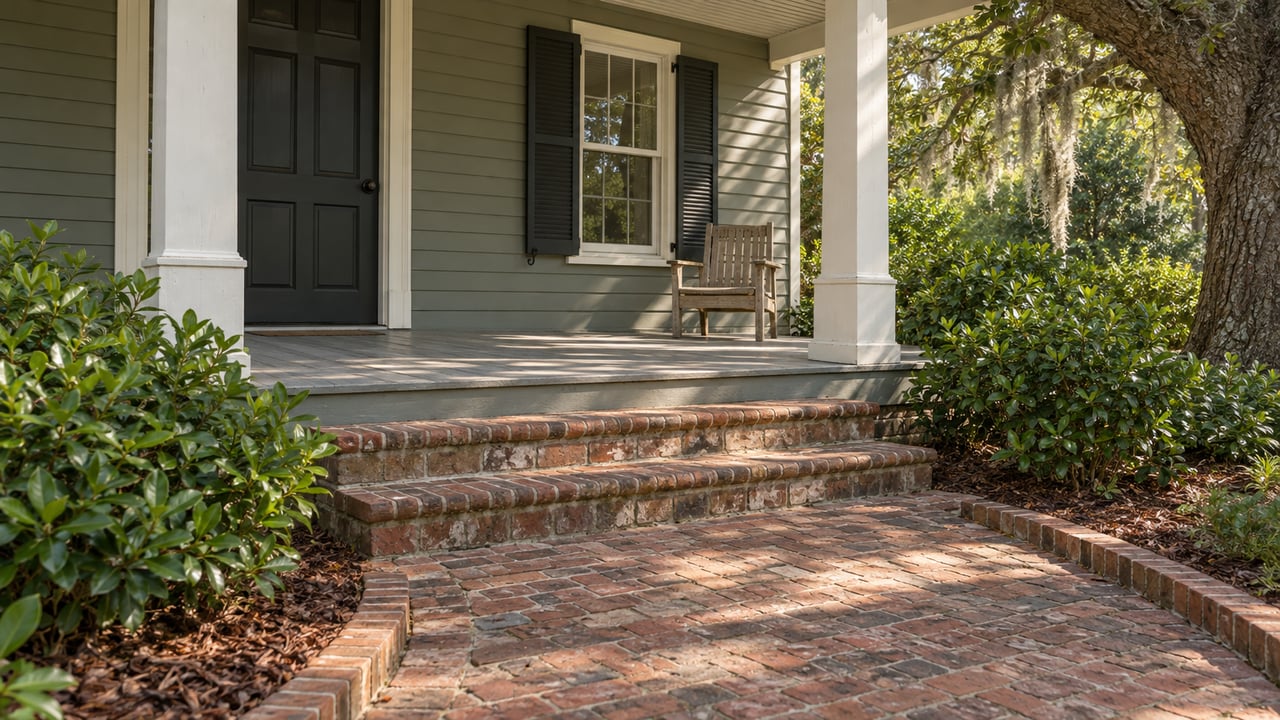
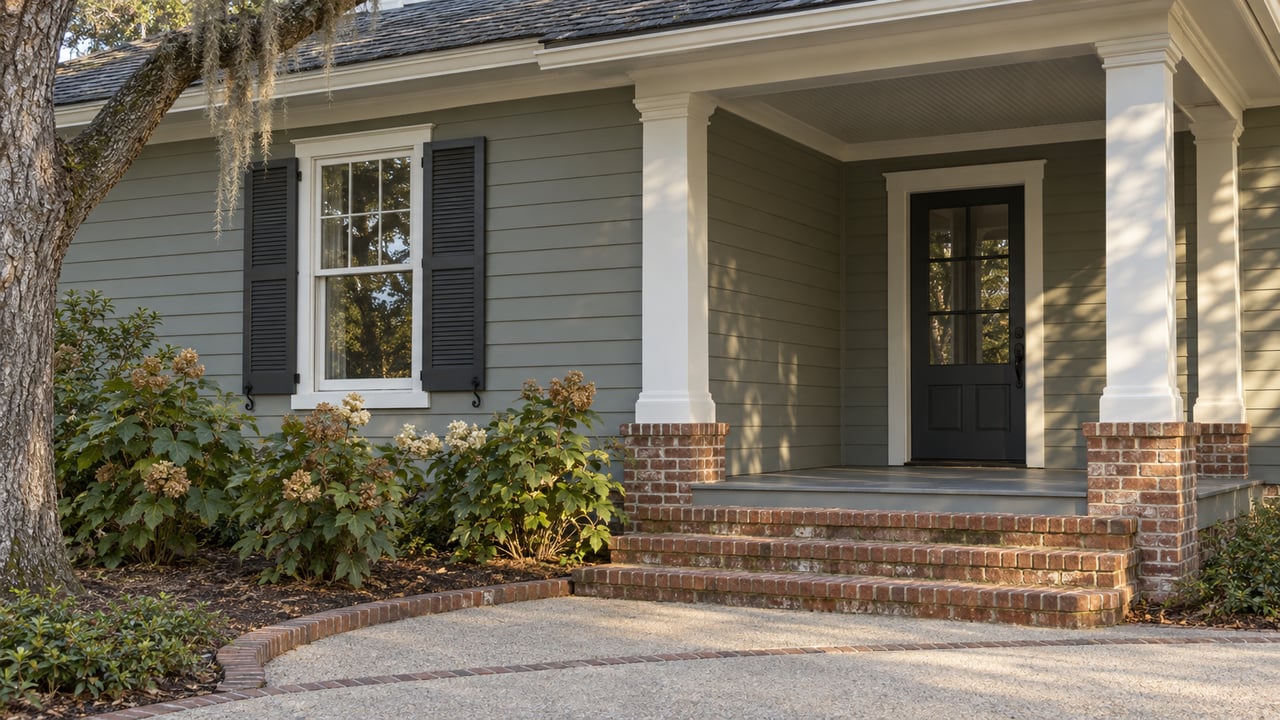
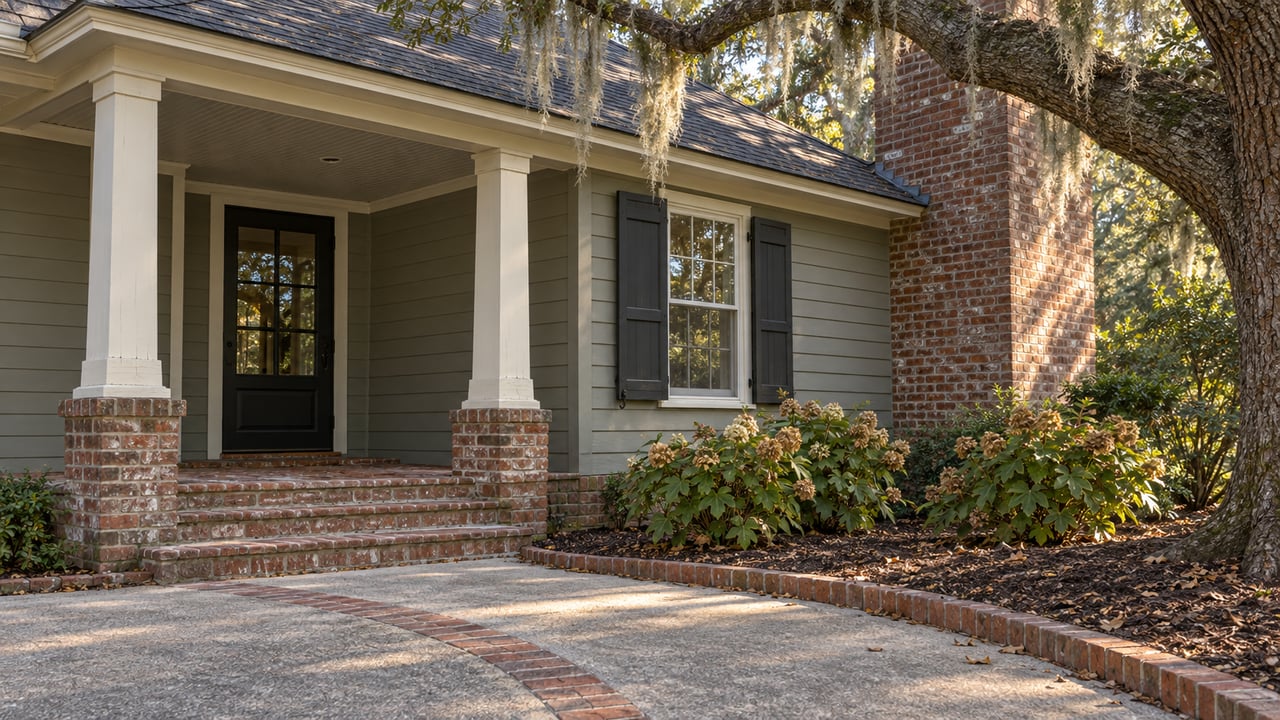
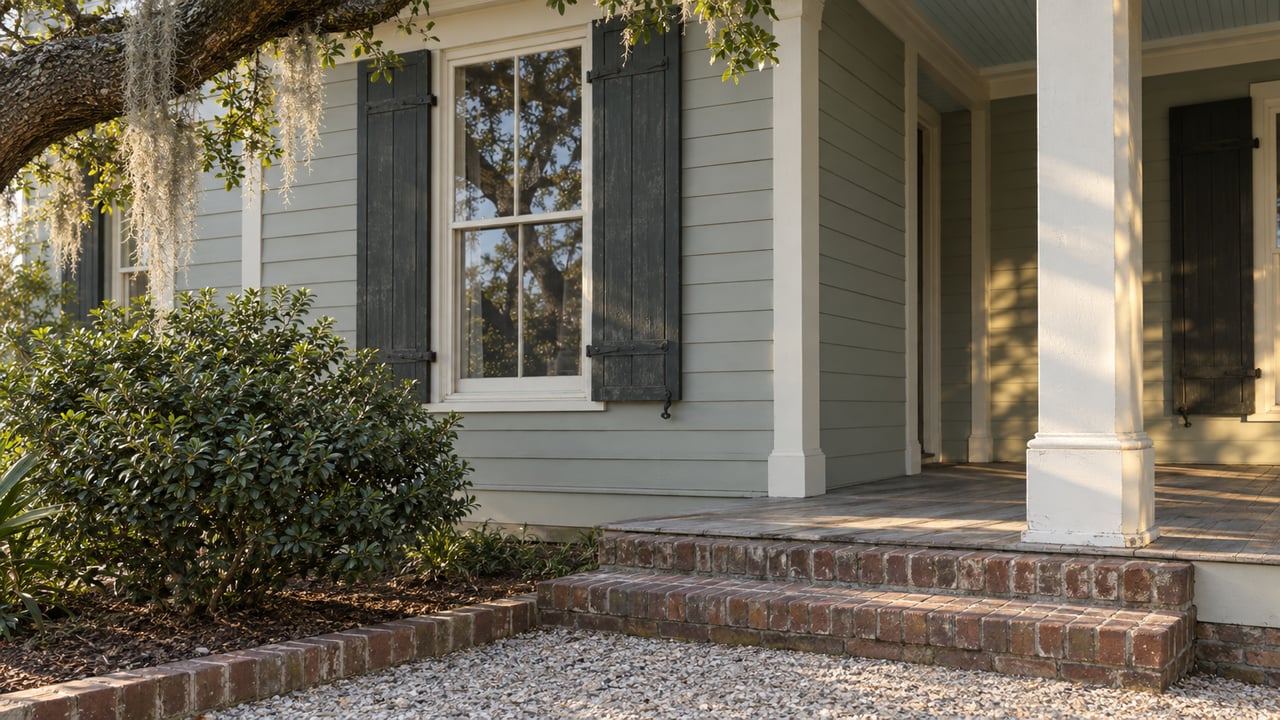
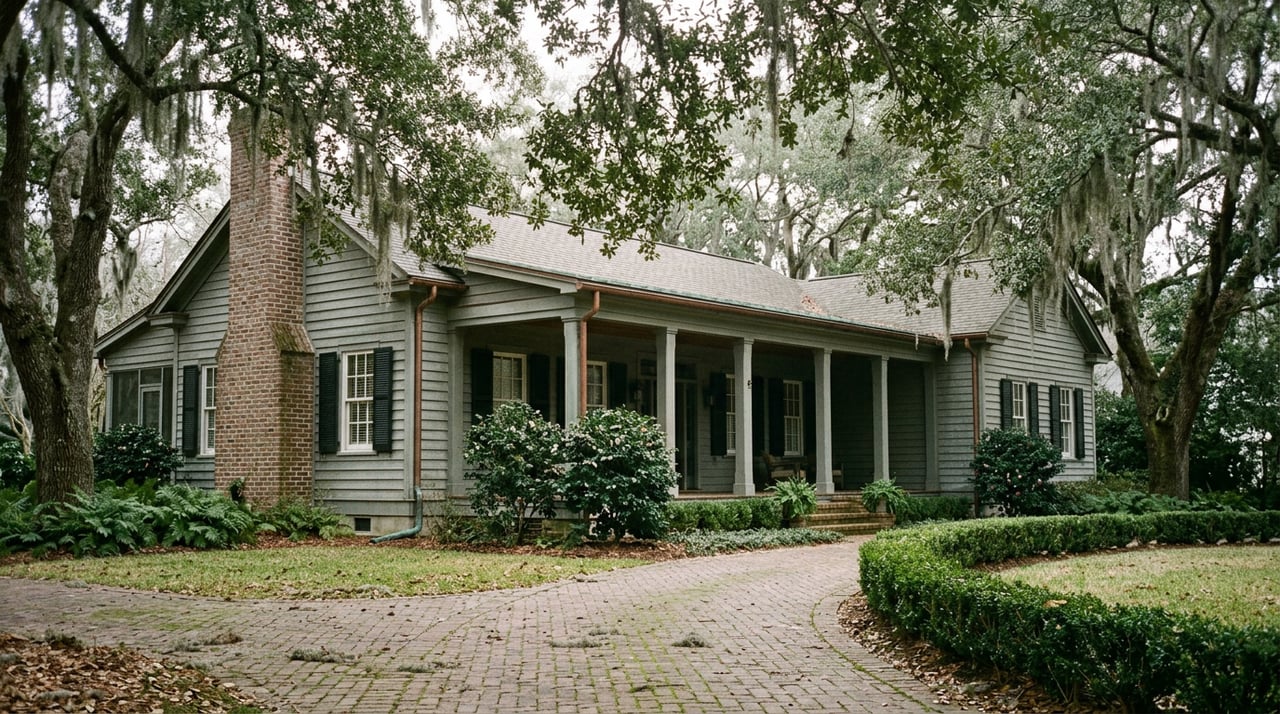
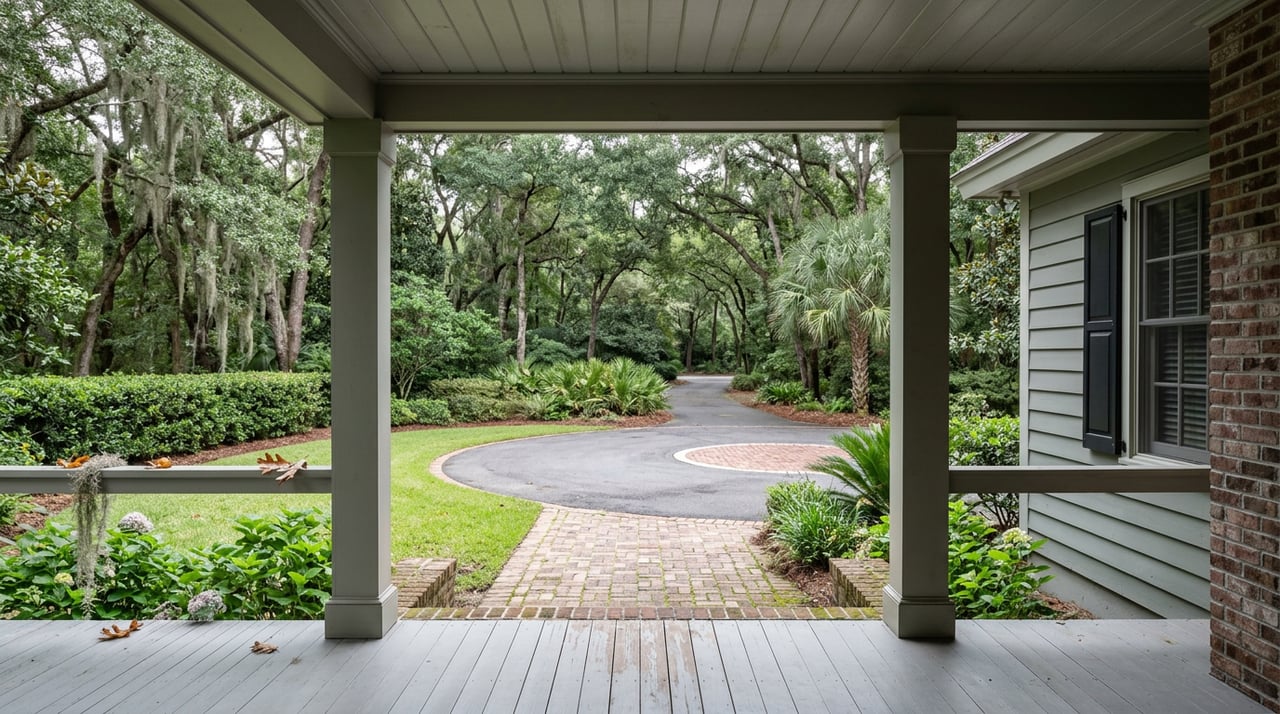
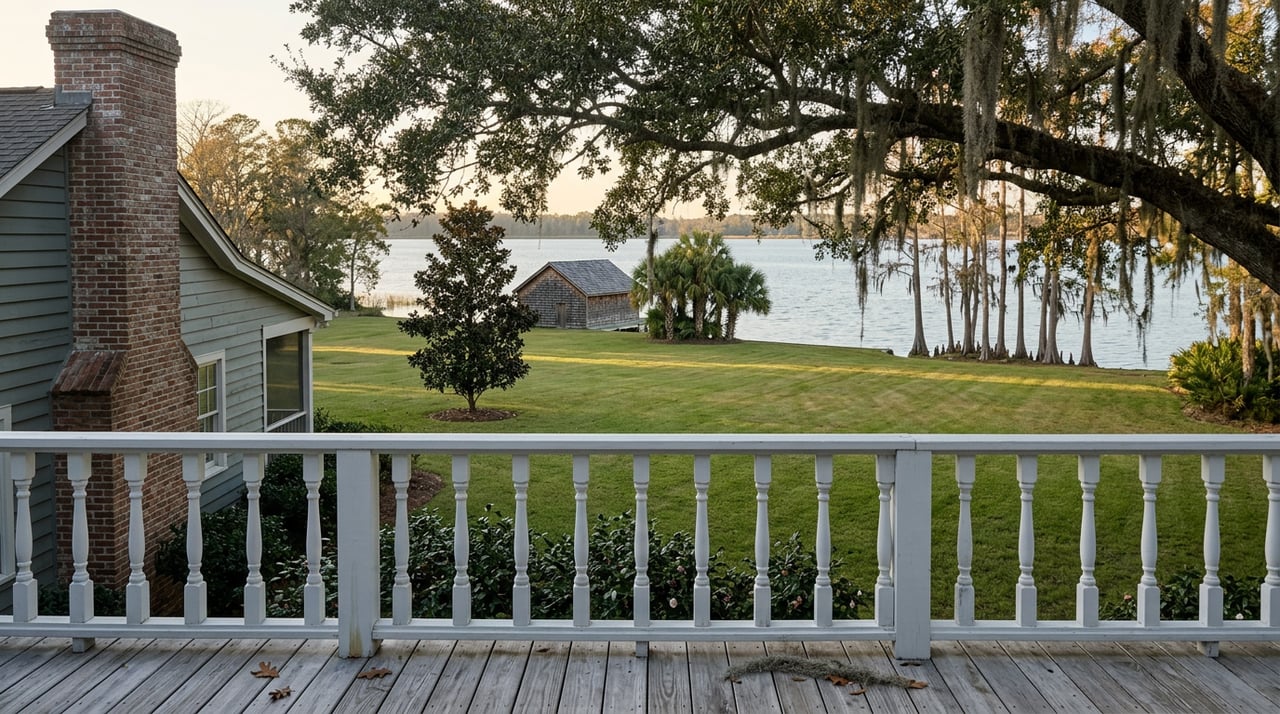
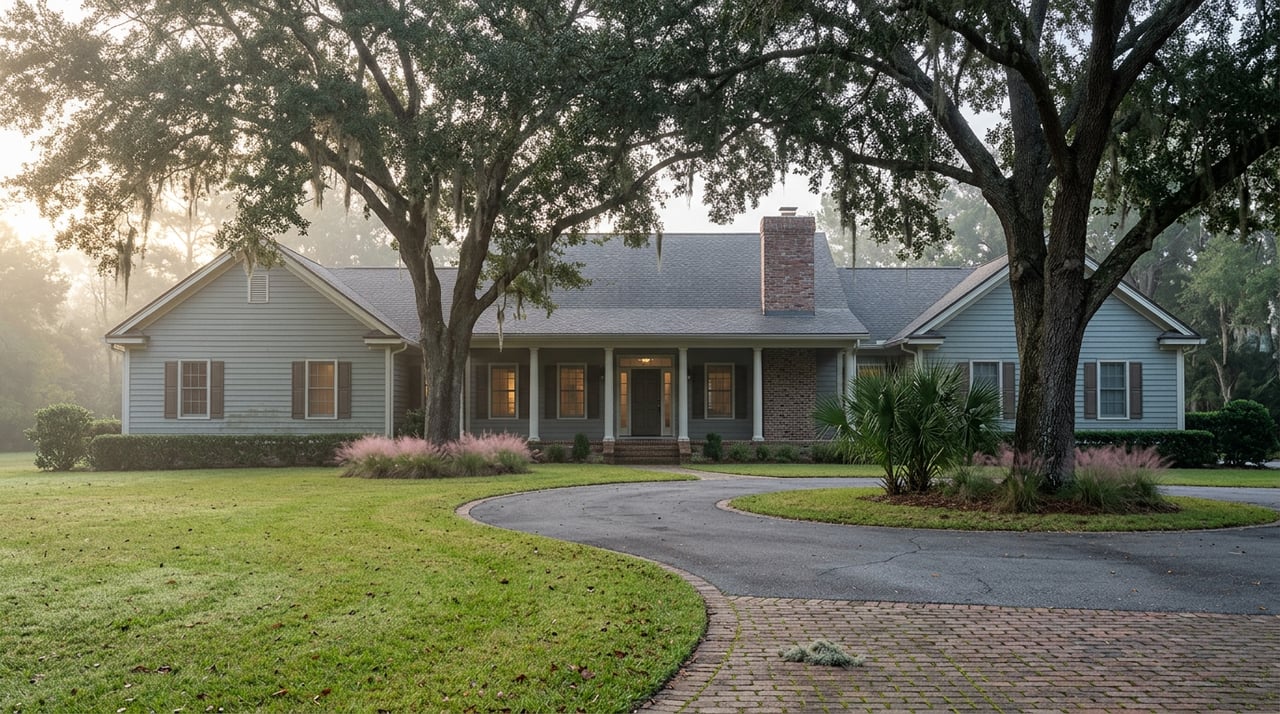
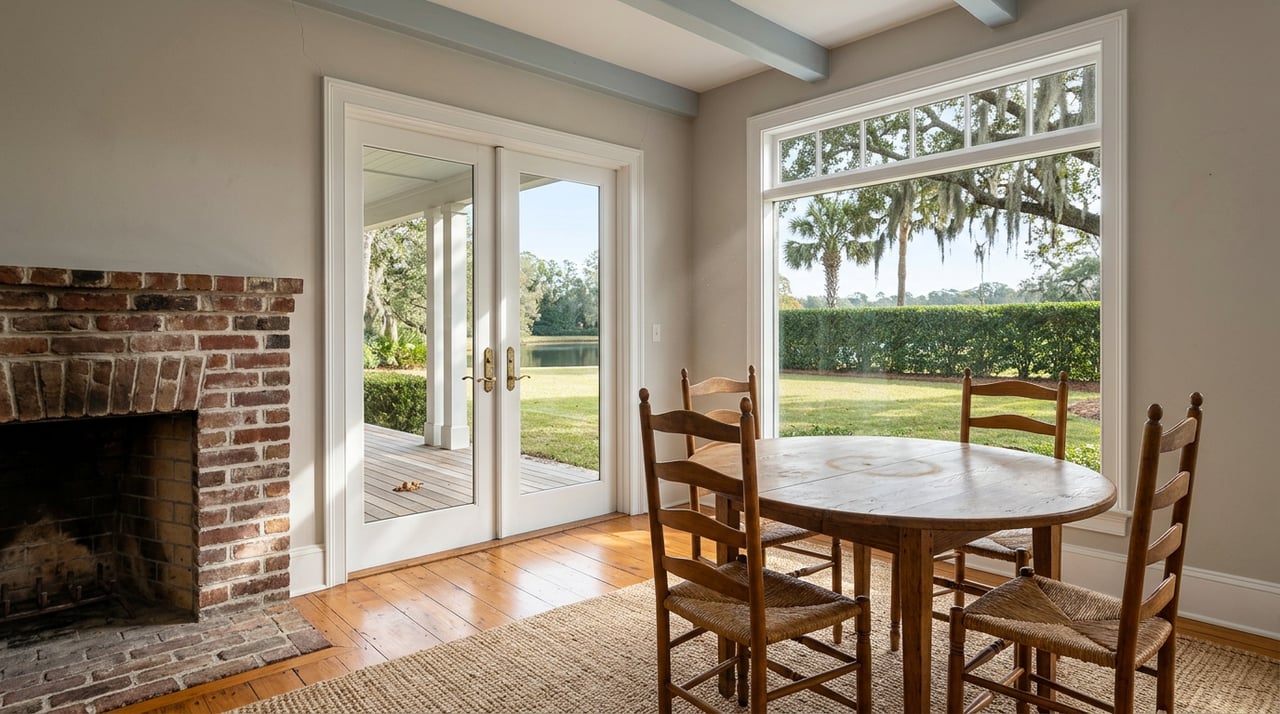
We invite you to explore the St. Simons and Sea Island Communities. Here, this island destination creates a lifestyle, where every luxury is designed to incorporate the area's breathtakingly beautiful natural surroundings and emerge organically from the natural landscape.