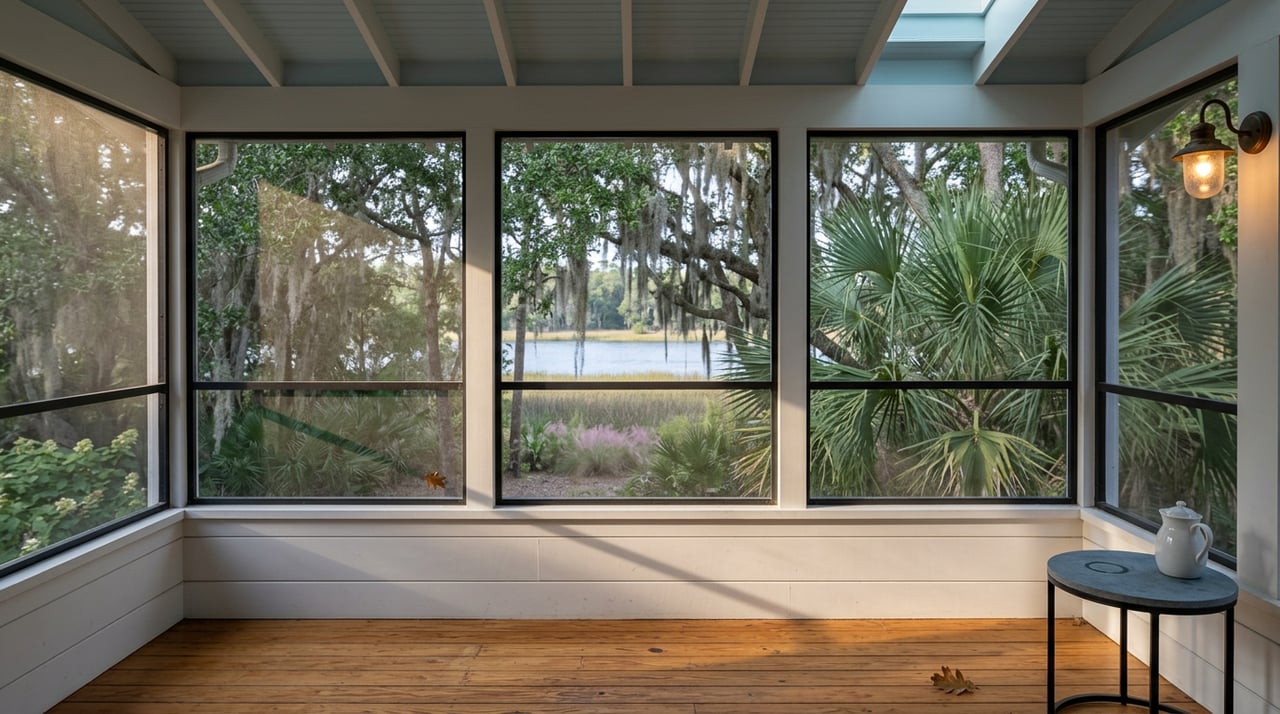
Are you picturing sweeping marsh sunsets or a quiet pond just beyond your patio, but not sure which fits you best on St. Simons Island? You’re not alone. On St. Simons, “marshfront” and “lakefront” mean two very different coastal lifestyles, from views and breezes to maintenance and insurance. In this guide, you’ll learn the key tradeoffs, what to check on showings, and how to match each setting with your day-to-day life. Let’s dive in.
What marshfront means here
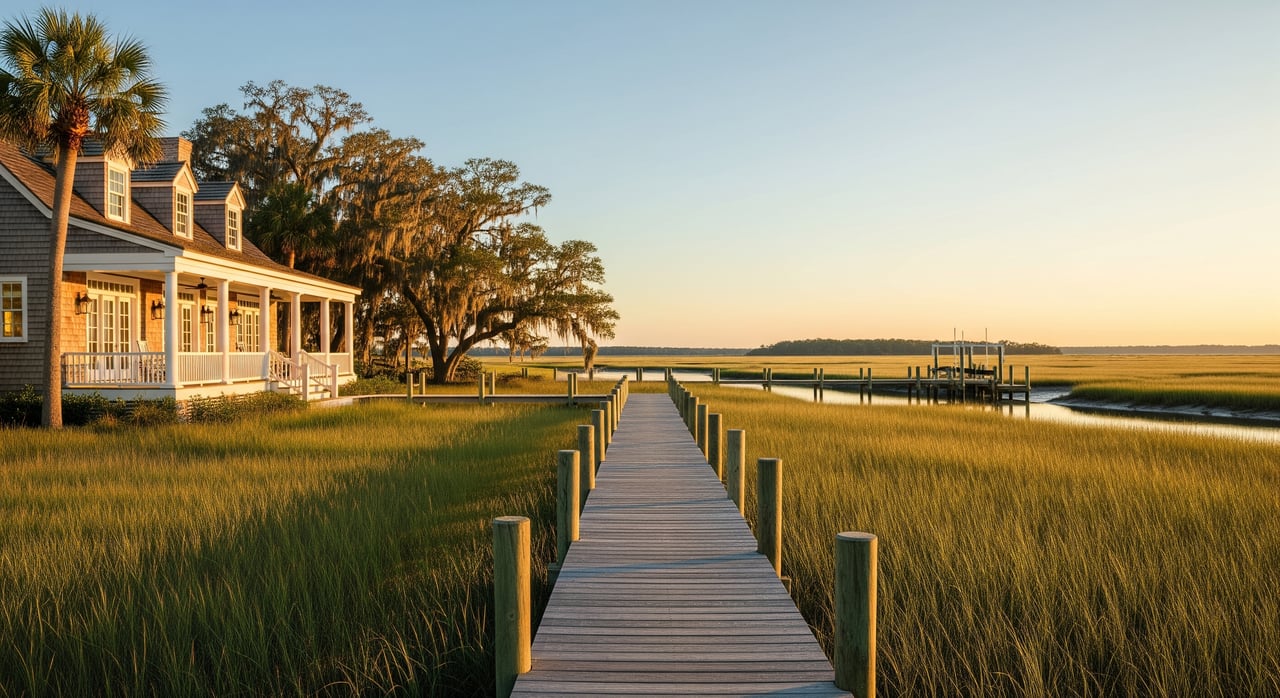
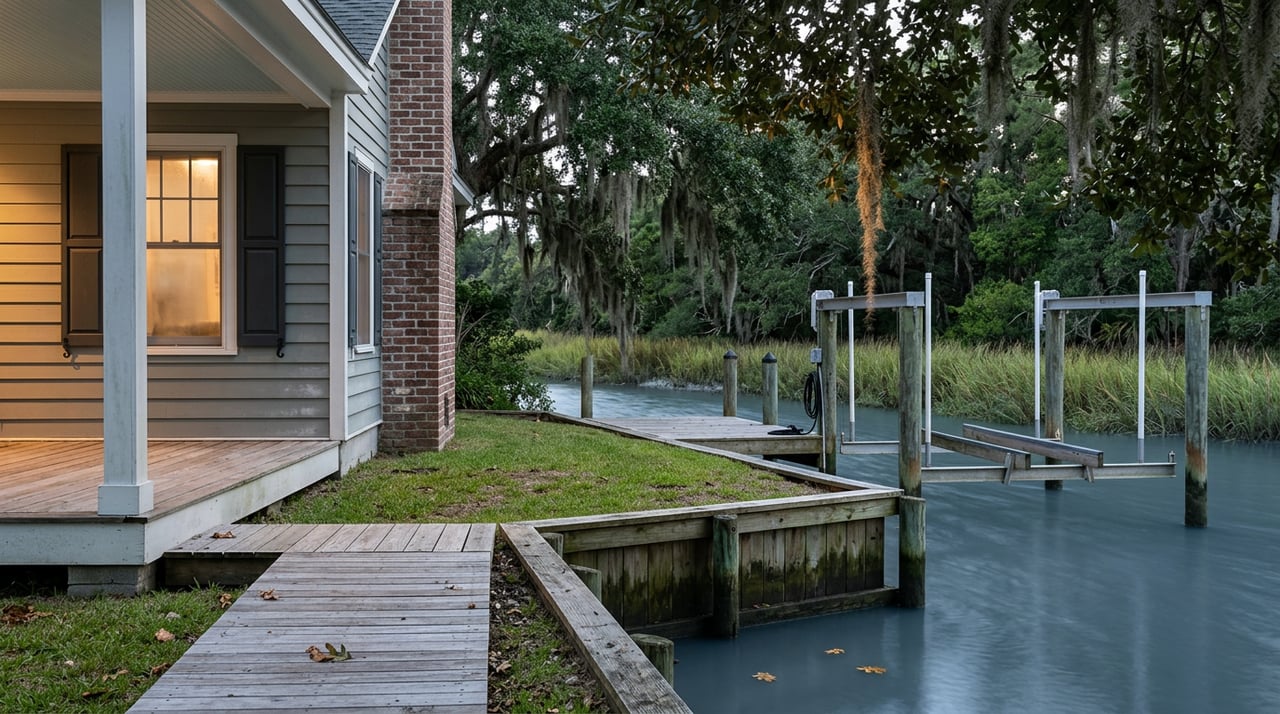
On St. Simons Island, marshfront typically means frontage on tidal salt marshes, creeks, or Intracoastal-type waterways. Views shift with the tide. At low tide, you may see mudflats and winding channels; at high tide, water fills the grasses and creeks. Some parcels offer dock potential depending on depth and navigable channels, and most marshfront homes are built with coastal codes in mind.
What lakefront means here
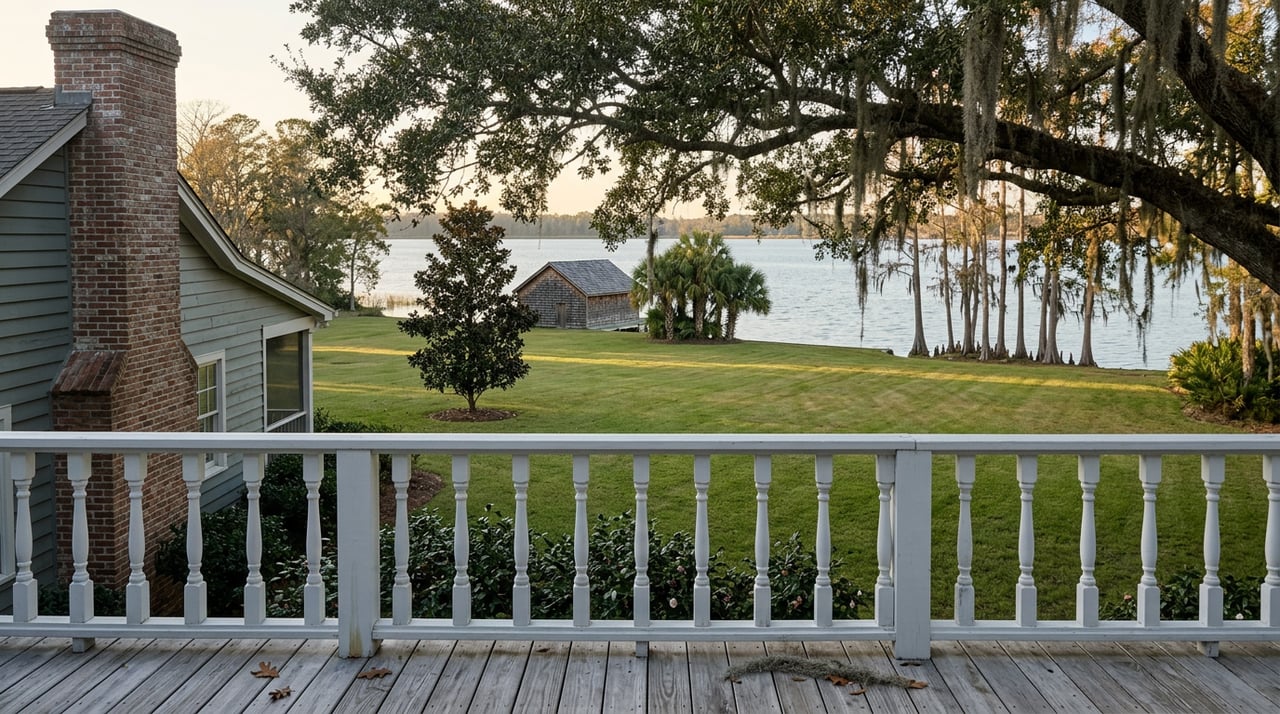
“Lakefront” on St. Simons usually means frontage on freshwater ponds or man-made community lakes, often designed for stormwater retention. Water levels are more stable, and the setting feels park-like and calm. Access and use are typically governed by neighborhood rules rather than state coastal permits.
Views and daily feel
Marshfront
- Expansive, coastal panoramas with broad sightlines and changing tidal scenes.
- Salt-tolerant grasses and channels create a natural, open backdrop.
- Visuals shift through the day with the tide, seasons, and bird activity.
Lakefront
- Still-water reflections and tree-framed banks feel quiet and intimate.
- Seasonal lilies or aquatic plants can change the look of the shoreline.
- A more consistent waterline, especially in managed ponds.
Quick takeaway: If you love dynamic, wide-open coastal scenes, marshfront delivers. If calm, steady water views are your preference, lakefront fits.
Breezes, odors, and insects
Marshfront
- Stronger, steadier breezes thanks to open marsh exposure.
- Occasionally you may notice natural marsh odors at low tide when mudflats are exposed.
- Tidal flushing helps reduce standing water, though insects are still seasonal.
Lakefront
- Milder breezes, often influenced by trees and pond size.
- Freshwater can attract mosquitoes if not actively managed.
- Aeration, fish stocking, and HOA pond care can reduce insect issues.
Wildlife and soundscape
Marshfront
- Shorebirds, wading birds, fish, crabs, otters, and sometimes dolphins in nearby creeks.
- Birdcalls and tidal movement create a classic coastal soundscape.
Lakefront
- Ducks, geese, turtles, frogs, and small fish are common.
- Nighttime frog choruses can be part of the experience.
Privacy and neighbor spacing
Marshfront
- Long marsh vistas often mean strong separation from rear neighbors.
- Privacy varies where channels are narrow or lots are clustered.
Lakefront
- Homes can be closer together around neighborhood ponds.
- Privacy depends on lot width, buffers, and landscaping.
Water access and recreation
Marshfront
- Potential for boating and kayaking on tidal creeks, subject to depth and navigability.
- Docks and piers generally require permits and careful design to protect marshes.
Lakefront
- Usually non-motorized activities like paddling and bank fishing.
- Access is often private to residents and governed by HOA rules.
Flooding, storms, and long-term risk
Marshfront
- Higher exposure to coastal flooding and storm surge.
- Frequently located in higher-risk FEMA flood zones with elevated construction and flood insurance requirements.
- Shorelines can erode or migrate over decades with sea-level change.
Lakefront
- Lower direct storm-surge exposure if inland, though heavy rain events still matter on an island.
- Retention ponds are designed for drainage but can overflow during extreme storms.
- Rising groundwater over long time scales can influence drainage on low-lying parcels.
Construction and maintenance considerations
Marshfront homes
- Often elevated on pilings or raised foundations to meet flood codes.
- Living areas and porches are oriented toward the marsh to capture views and breezes.
- Materials need coastal durability, and salt exposure can increase wear on metal and mechanicals.
- Shoreline stabilization and dock upkeep add to long-term maintenance.
Lakefront homes
- Ground-level living is more common where flood risk is lower.
- Patios, lawns, and denser landscaping frame the pond.
- HOA or neighborhood management may handle pond aeration, algae control, and shoreline mowing.
Permits, insurance, and who regulates what
What to ask on showings
Bring this list so you can compare options confidently.
Which fits your lifestyle?
How to move forward with clarity
- Define your non-negotiables. Do you want tidal boating or steady still-water views? Are you comfortable with elevated living?
- Check the flood zone early. Use the FEMA Map Service Center and request an elevation certificate where available.
- Verify permits and maintenance. For marshfront, review guidance from the Georgia DNR Coastal Resources Division and, if applicable, the U.S. Army Corps of Engineers. For lakefront, confirm HOA rules and pond management.
- Walk the property at different times. If possible, view marshfront at both low and high tide. For ponds, note aeration, vegetation, and any geese activity.
- Model total cost of ownership. Include flood and wind insurance, shoreline or dock work, HOA fees, and expected mechanical upkeep.
When you’re ready to compare specific homesites and understand real maintenance and insurance expectations, connect with the Angela Harrison Team | Frederica Realty. You’ll get local context, parcel-level guidance, and a clear plan to move with confidence.
FAQs
What does marshfront mean on St. Simons?
- Marshfront usually means your property fronts tidal salt marsh, creeks, or Intracoastal-type waters with views that change as tides rise and fall.
What does lakefront mean on St. Simons?
- Most “lakefront” here fronts freshwater ponds or man-made community lakes used for stormwater, typically with stable water levels and HOA rules.
Do I need a permit for a marshfront dock in Georgia?
- Yes, dock and shoreline work on tidal marshes generally require state review by the Georgia DNR Coastal Resources Division and sometimes federal review by the U.S. Army Corps of Engineers.
Are lakefront ponds better for mosquitoes than marshes?
- Not always. Stagnant freshwater can support mosquitoes unless managed with aeration or fish; tidal marshes flush but still have seasonal insects.
Will a marshfront home need to be elevated?
- Often yes. Many marshfront parcels fall in higher-risk FEMA flood zones, so elevated construction and flood insurance are common.
How can I check my flood zone and base flood elevation?
- Search your address in the FEMA Map Service Center to confirm your zone, then request an elevation certificate for the specific structure.
Who maintains a neighborhood pond on St. Simons?
- Maintenance is often handled by the HOA or a management company. Review HOA documents for policies on aeration, algae control, and dredging.